On this pageShow contentsHide contents
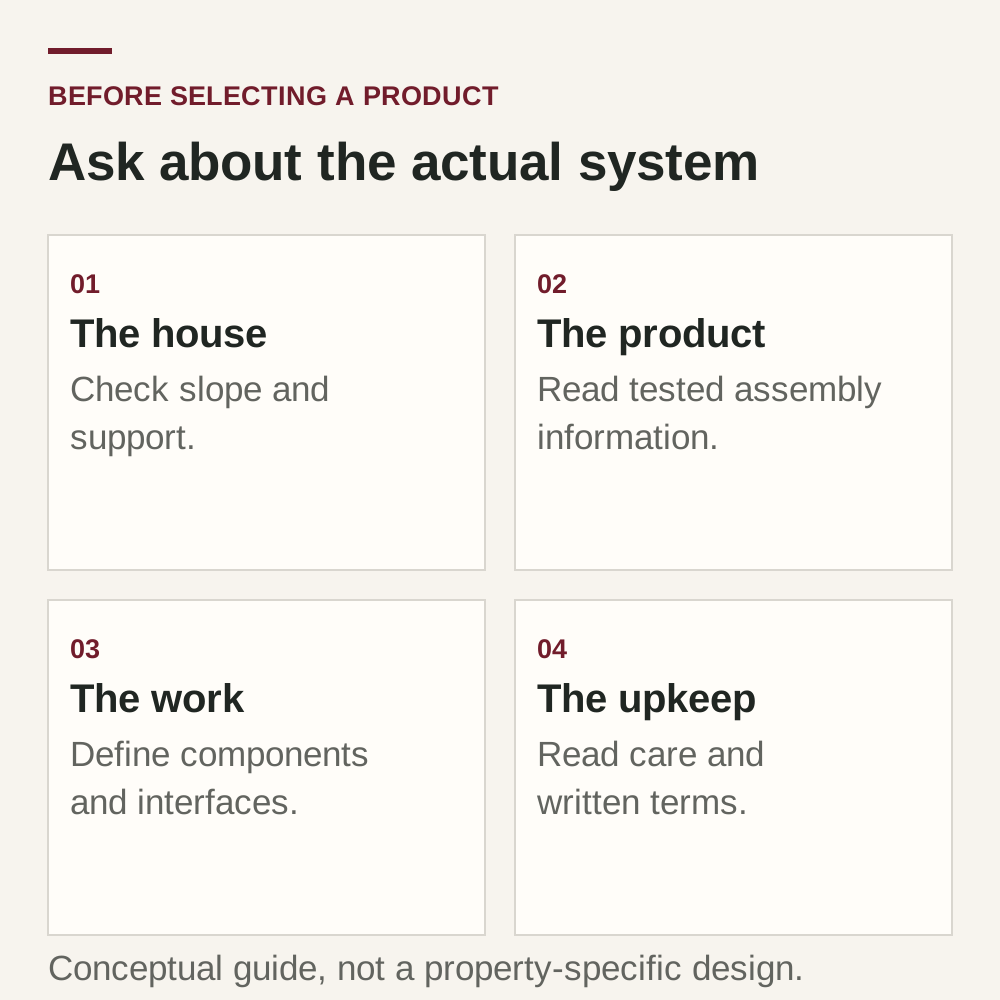
Compare these four material groups against the property, not a claim that one is most popular throughout Utah. Structure, slope, tested product performance and maintenance belong in the decision.
Start with four product groups, then check the exact system for the house's slope, support and care needs. The same broad material name can cover different weights, profiles and installation requirements.
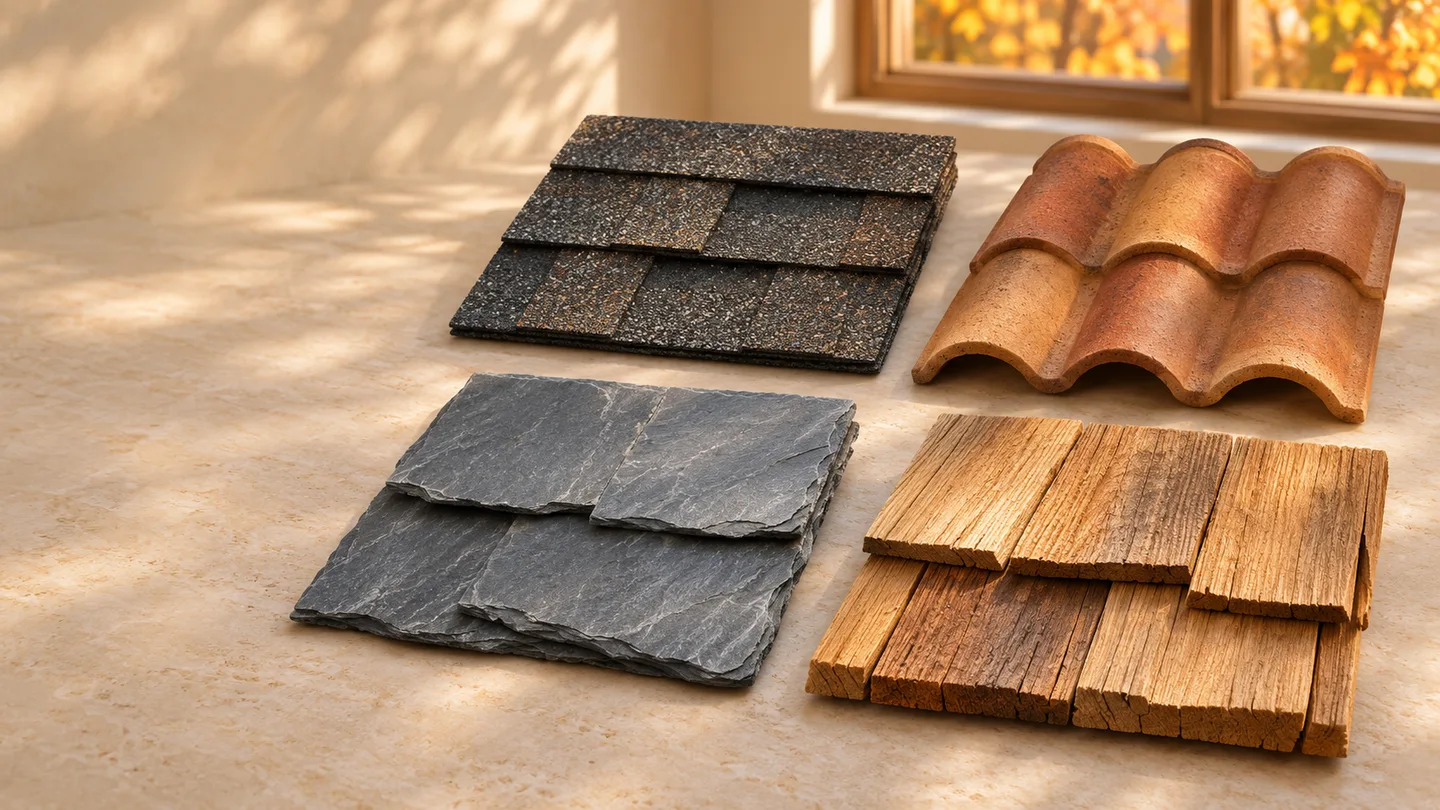
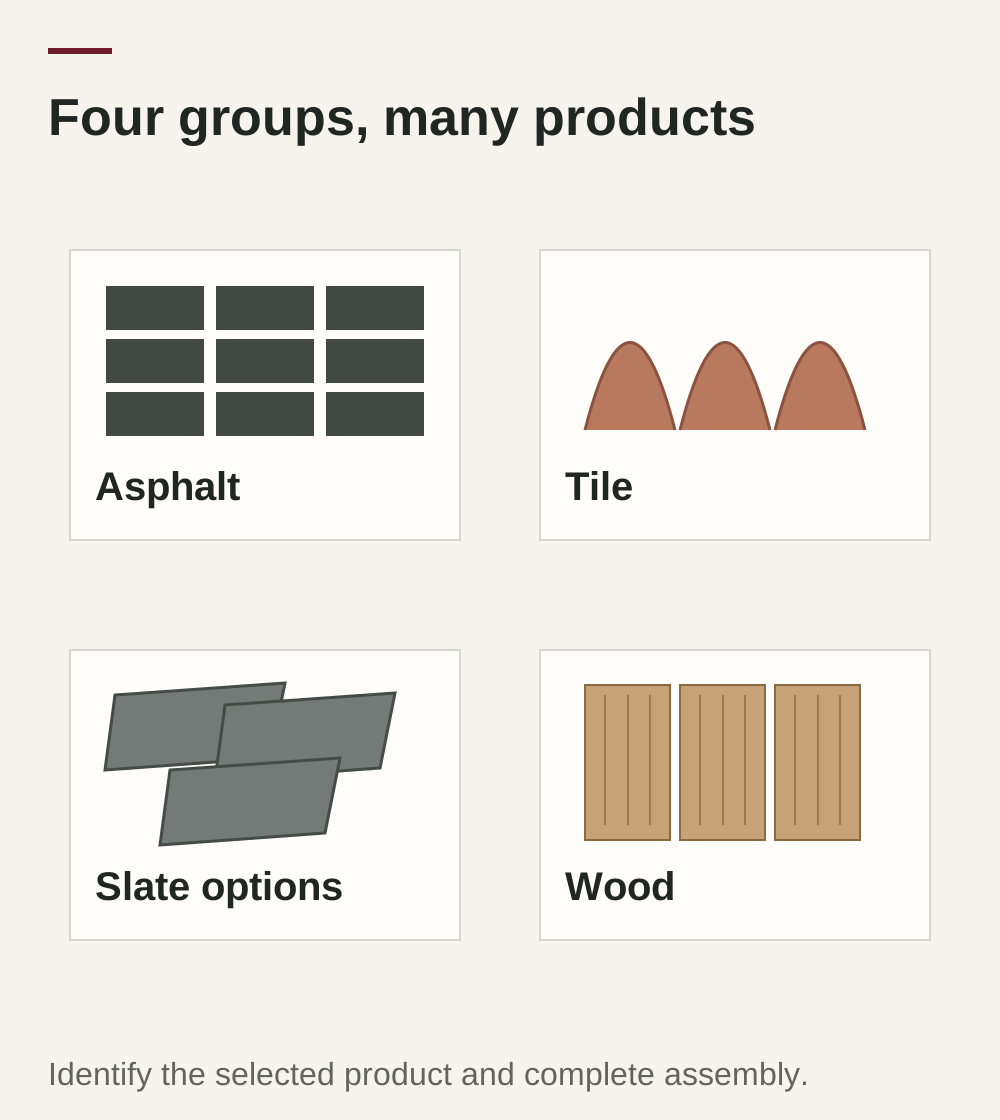
The following options need product-specific comparison for the actual house, support, slope and maintenance expectations:
- Asphalt shingles
- Tile
- Slate (natural and synthetic)
- Wood
Use the house's roof geometry, support and permanent exterior finishes to narrow the comparison. Architectural style can inform appearance, but it does not by itself require or prohibit wood, tile, slate or asphalt.
Asphalt Shingles
Asphalt products differ in construction and tested performance. Compare the named product and assembly, installation conditions and actual wind or impact information rather than applying one rating or lifespan to the whole category.[1]
Tile for Roofing
Compare the actual clay or concrete product, proposed weight, support, underlayment, flashing and safe repair access. Eagle’s concrete-tile guidance calls for determining structural suitability, with engineering where needed. Do not assume every home needs the same reinforcement.[2]
Slate or Synthetic Slate
Natural and synthetic slate are different product choices. Compare actual weight, support, appearance, tested performance, installation instructions and written terms. No synthetic category is universally identical, more economical or immune to severe weather.
Roofing Materials Made of Wood
Wood shingles and shakes differ in manufacture, grade and treatment. Review drying, debris and care requirements alongside appearance and actual fire/assembly information. The USDA report also cautions against film-forming roof finishes that can trap moisture; sidewall finishes are not automatically suitable for roofs.[3]
Is It Necessary to Consult a Professional About Roofing Materials?
Yes, use the proposed products and actual roof conditions for the discussion. Bring the existing material, known age/repairs, desired appearance and any solar or skylight plans. The proposal should explain suitability, complete scope and future care instead of a universal material ranking.[4]
The material comparison guide offers a broader starting point. Use Request a Quote to describe what you are considering; exact roof measurements are not required to begin an inquiry.
Related information
References
General homeowner information, not a property-specific assessment. Requirements and product instructions vary. Leave roof access, diagnosis and hazardous work to qualified professionals.