On this pageShow contentsHide contents
New roofing technology is worth evaluating by what it actually does. A monitoring sensor, reflective finish and solar product solve different problems, and their suitability depends on the building and the proposed installation.
Sustainable Roofing Solutions
Compare the actual environmental goal and product evidence. A vegetated assembly, solar product and reflective covering have different functions and maintenance requirements; none guarantees long-term savings.
Smart Technology Integration
A monitoring product may measure a particular condition and issue an alert. Ask which capability is documented, how it is powered and maintained and what response is needed; sensing is not automatic diagnosis, repair or control.
Versatile Roof Designs
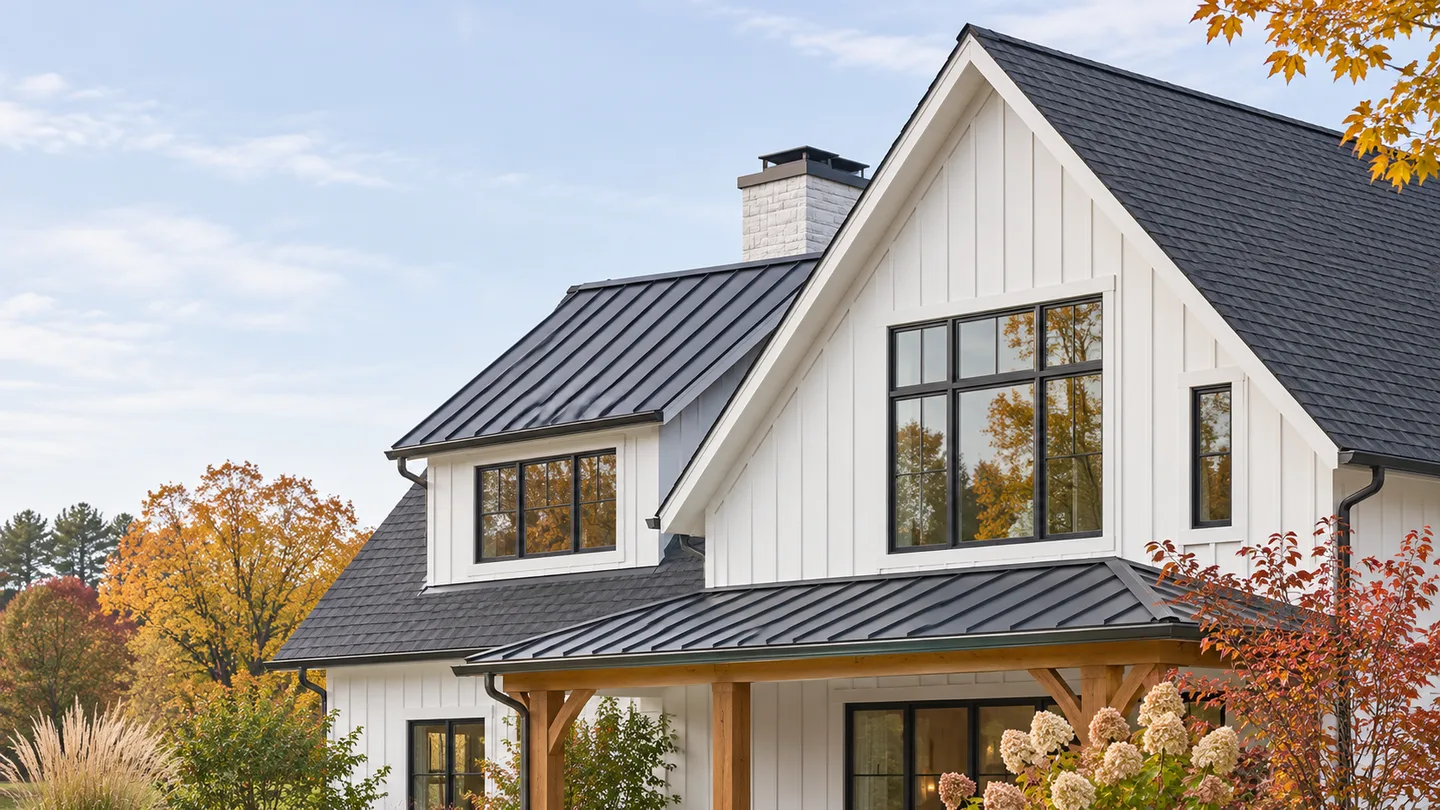
A different profile or finish can change appearance, while a different roof shape can involve framing and approvals. Separate those choices and check water management and maintenance access before adding solar, vegetation or another system.[1]
Energy-Efficient Materials
Use actual product reflectance, climate and building characteristics to assess annual energy effects. EPA notes that a cool roof can increase winter heating demand in cold climates; a material label is not a universal saving.[2]
FAQ Section
1. Are sustainable roofing solutions expensive?
Cost depends on the actual assembly and work. Compare initial scope, maintenance, annual energy effects and relevant equipment terms; neither a positive payback nor a fixed price premium is automatic.[2]
2. How can smart technology benefit my roof?
Verify the actual sensor’s scope, alert conditions, access and maintenance. Do not assume a device detects every concealed issue or controls temperature simply because it reports a measurement.
3. Can I customize the design of my roof?
Some product appearances and details may be selectable, but a change in geometry or use requires a separate design and feasibility discussion. Confirm actual products, structural needs, specialist work and applicable approvals rather than assuming unrestricted customization.
4. What are cool roofing materials?
They are products designed to reflect more sunlight and absorb less solar heat. Whether the actual roof reduces annual energy use depends on the building, product and climate; winter heating trade-offs are possible. Reflectivity does not establish a universal roof-life extension.[2]
5. What information should I gather before comparing products?
Record the roof’s known condition, desired outcome, existing equipment and maintenance expectations. Ask for named product evidence and a defined scope rather than assuming a quote request confirms a consultation.
Ask what the innovation actually does
Verify named capabilities and suitable applications. A sensor that measures moisture does not automatically control it, and a reflective finish is not a universal energy solution.[2]
- Check compatibility and maintenance.
- Confirm which installation and specialist tasks are actually included.
- Compare the actual installation scope and written terms.
Related information
References
General homeowner information, not a property-specific assessment. Requirements and product instructions vary. Leave roof access, diagnosis and hazardous work to qualified professionals.