On this pageShow contentsHide contents
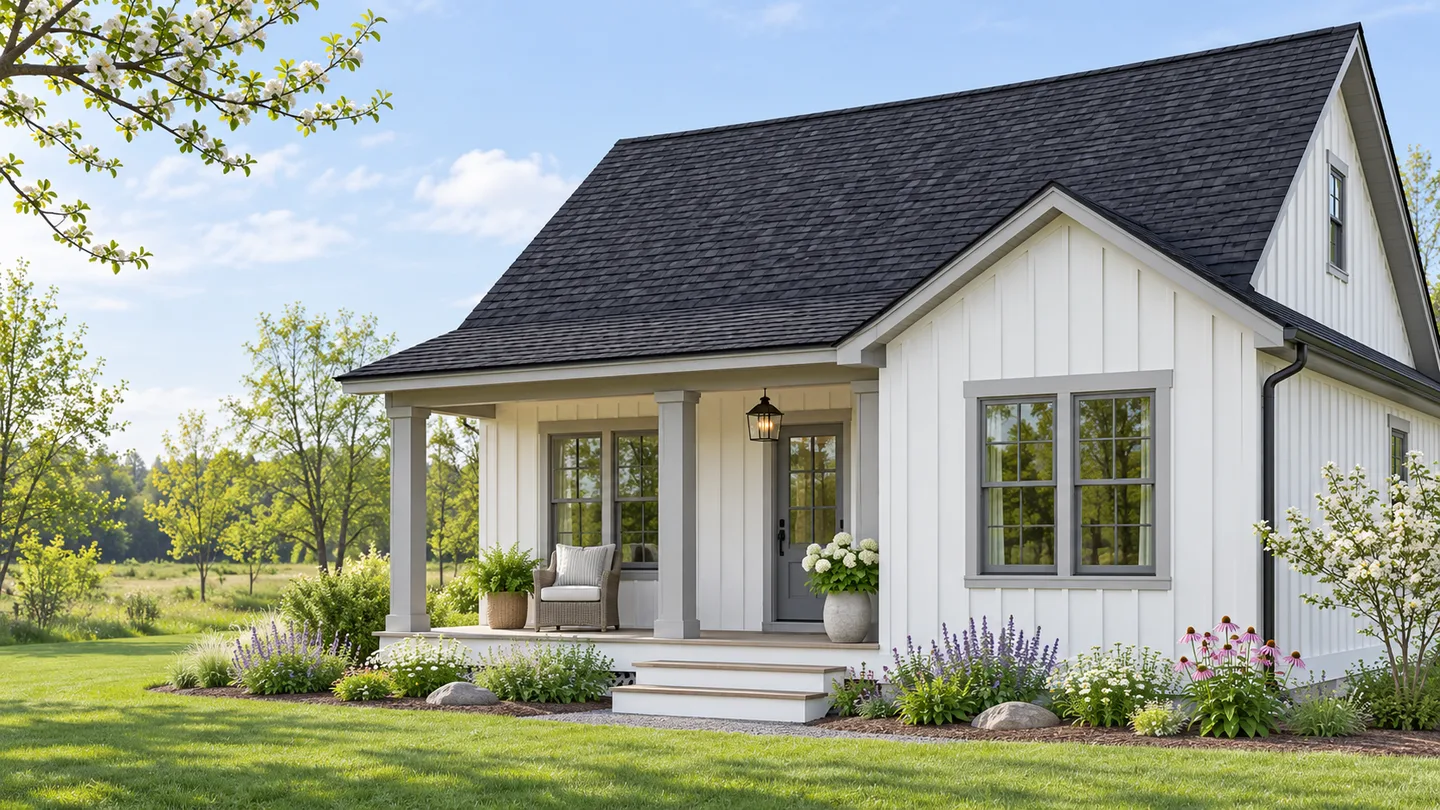
A useful roof-color and style choice works with the rest of the house. Compare samples, nearby trim and visible roof planes before relying on a small digital swatch or a promise about resale value.
1. Fresh Look, Fresh Start
An aging or damaged roof can detract from your home’s appearance. Over time, exposure to the elements can cause shingles to fade, curl, or develop unsightly stains. By investing in a new roof, you can give your home a fresh and inviting look that catches the eye of everyone who passes by.
2. Style and Color Choices
Compare the actual material profiles and colors against the exterior. Request physical samples and confirm the available product range rather than assuming every specialty is offered.
3. Enhanced Energy Efficiency
Reflective products change absorbed solar heat, but the annual heating/cooling result depends on the actual product and building. A covering selected for appearance is not automatically an insulation or air-sealing upgrade, and cold-climate heating trade-offs are possible.[1]
4. Keep the condition and work records
Keep condition findings and work records available for future property questions. A new covering can change appearance, but does not establish a particular resale gain, a repair-free roof or complete clearance of concealed conditions.
5. Review the selected look and scope
Check large samples in changing daylight, compare texture and visible accessories, and distinguish surface appearance from structural changes. Read the actual scope and coverage so the selected look matches the work being agreed.
Make the visual choice concrete
Check materials and colors on the house rather than relying on a screen. A covering change is different from changing roof geometry, and neither guarantees a resale return.[2]
- View large samples in changing daylight.
- Compare the roof with permanent exterior features.
- Include drainage details and the actual scope in the decision.
Related information
References
General homeowner information, not a property-specific assessment. Requirements and product instructions vary. Leave roof access, diagnosis and hazardous work to qualified professionals.