On this pageShow contentsHide contents
Roof appearance and practical constraints belong in the same design conversation. Changing a covering is different from changing roof geometry, and both need to fit the structure and drainage plan.
Appearance and function meet at the details: shape, slope, support, drainage, materials and openings. Keep a covering replacement separate from a structural redesign or a change in how the roof is used.
The Marriage of Form and Function
A well-designed roof seamlessly marries form and function. While the primary function of a roof is to protect your home from the elements, its design plays a crucial role in enhancing the curb appeal, energy efficiency, and interior comfort. The right design can also add character and uniqueness to your home’s exterior.
Roof Styles and Architectural Aesthetics
Gable, hip and mansard forms have different geometry. Altering that geometry can involve structure and project approvals, so do not assume a reroof proposal includes redesign of the building.
Material Selection: Balancing Beauty and Durability
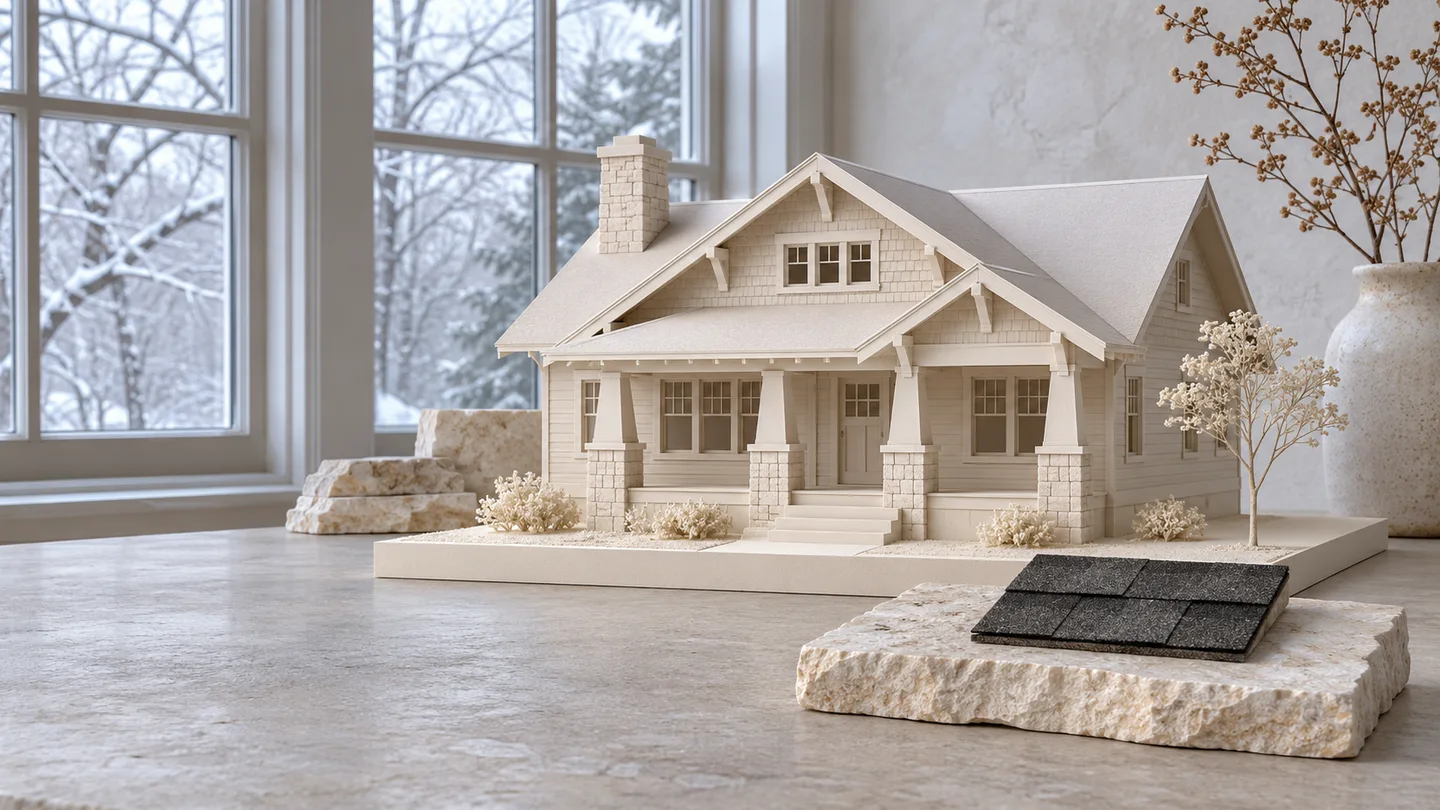
Compare actual products against slope, support, drainage, exposure and maintenance before narrowing the appearance. A material name or color cannot establish every product’s tested performance or the installed scope.[1]
Innovations in Modern Roofing Design
Evaluate a named product’s function, maintenance and compatibility. Solar generation, vegetation and monitoring devices have separate requirements and are not evidence of an offered design service.
Prepare for the design conversation
Describe the desired appearance and use, then identify whether the scope changes structure, openings, drainage or equipment. Clarify which qualified designer or trade handles each part and what project approvals need confirmation.[2]
FAQ Section
1. How do I choose the right roof style for my home?
Start with the existing building, support, geometry and drainage. Replacing a covering differs from rebuilding the roof shape. Compare physical samples and define any structural or specialist design work before deciding.
2. Can I incorporate sustainable features into my roof design?
Some projects can combine solar, reflective products or vegetation, but each has different support, waterproofing, equipment and maintenance requirements. Have those interfaces designed and priced rather than assuming they integrate seamlessly into every roof.[3][4]
3. What are some modern roofing innovations?
Modern roofing innovations include energy-efficient materials, smart roofing systems, and innovative designs that prioritize both aesthetics and functionality.
4. Can I customize the color of my roofing material?
Ask for physical samples and confirm the actual product range, finish and accessories. Availability and suitability must be established for the proposal, not inferred from a general article.
5. What should a roof-design conversation establish?
Describe the desired appearance and use, then identify structural changes, drainage, product choices and specialist work. Ask what design and approval tasks are included before arranging the project.
Separate covering design from structural change
Profile and color choices differ from changing a roof’s geometry or intended use. Keep support, drainage, access and project requirements explicit.[1]
- View real samples.
- Coordinate openings and specialist equipment.
- Ask which design and approval work are included.
Related information
References
General homeowner information, not a property-specific assessment. Requirements and product instructions vary. Leave roof access, diagnosis and hazardous work to qualified professionals.