On this pageShow contentsHide contents
Sustainability can mean several different roofing decisions. Separate a vegetated assembly, a reflective product, solar equipment and material-reuse choices before comparing benefits, loads and long-term care.
The Rise of Green Roofing
Distinguish a vegetated roof assembly from broader sustainable choices such as reflective products or solar equipment. Vegetation-specific benefits and maintenance do not apply to every option.[1]
Benefits of Green Roofing
Environmental Advantages
EPA describes vegetated roofs as a way to shade surfaces, retain some rainwater and provide planted habitat. The result depends on the design and conditions. A living roof is a waterproofing/drainage/vegetation assembly; these findings do not automatically apply to a solar panel or a recycled-content covering.[1]
Economic Benefits
Compare the exact installation, plant/drainage care, waterproofing access, energy effects and eventual repair or removal obligations. A potential lifecycle benefit is not a guarantee that every green-labelled material lasts longer or costs less. Published benefits do not establish the resale result for a particular home.[1]
Types of Green Roofing
Vegetative Roofs
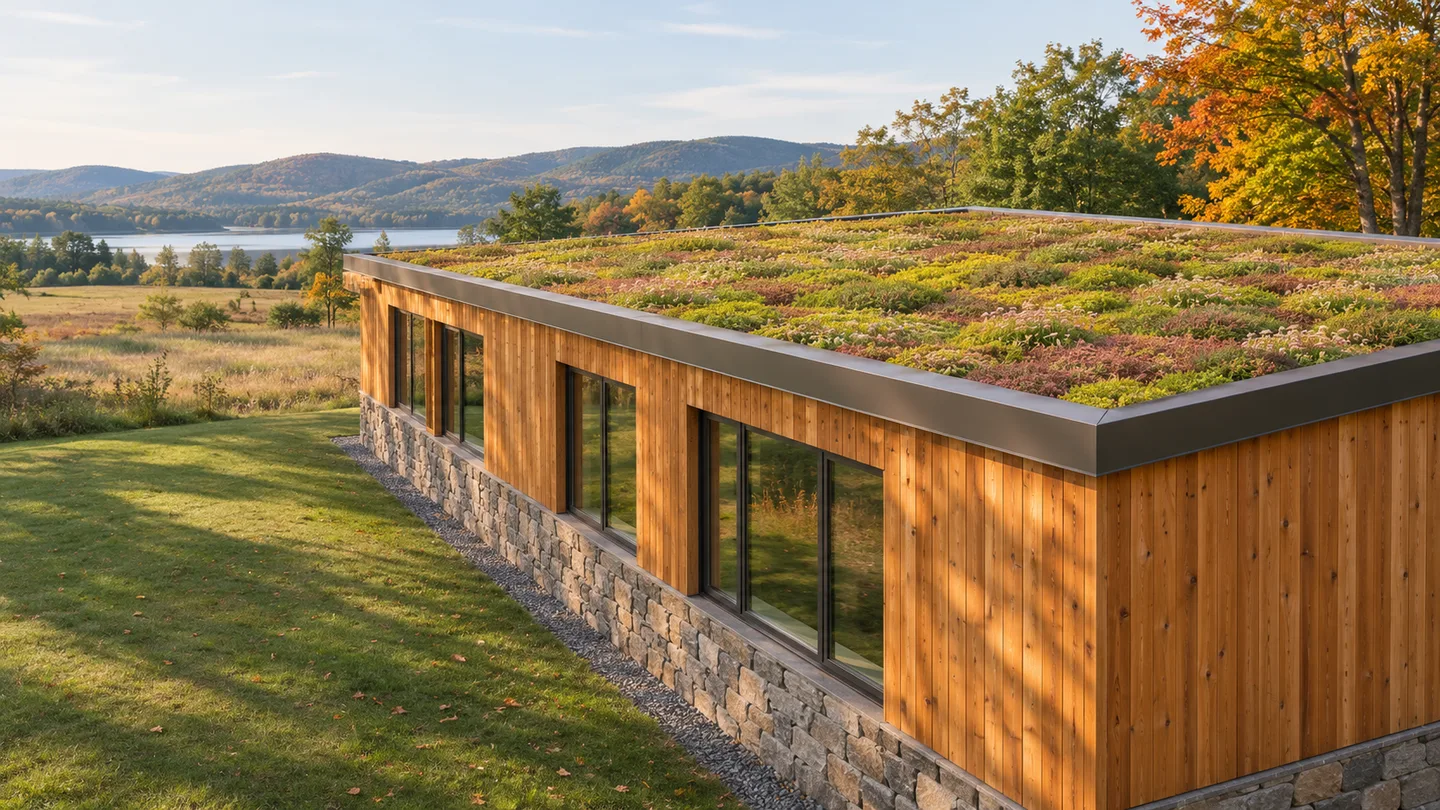
Vegetative roofs, commonly known as “green roofs,” feature a layer of vegetation and soil over a waterproof membrane. They provide natural insulation, reduce heat absorption, and improve air quality.
Solar Roofs
Solar products generate electricity, but output, economics, roof compatibility and separate trade responsibilities need project assessment. Do not assume a current tax incentive without verifying the actual program and eligibility.[2]
Cool Roofs
Reflective products absorb less solar heat. Annual effects vary with the building and climate, including possible winter heating penalties. Evaluate the named product rather than assuming a positive payback from reflectivity alone.[3]
Installation and Maintenance
Choosing the Right Contractor
Ask for relevant experience and a project-specific design for the proposed system. Vegetated, reflective and solar installations involve different structures, water-management details and continuing responsibilities.
Maintenance Tips
A vegetated roof needs a specific plan for plant care, drainage, waterproofing checks and safe access. Agree who performs those tasks and follows up on findings. Reflective coverings and solar equipment have different care instructions and responsibilities.[1]
Return on Investment (ROI)
Lifecycle costs and maintenance
Compare initial scope, ongoing maintenance, energy effects and replacement responsibilities for the exact system. Do not assume a vegetated, reflective or solar option automatically yields reduced maintenance or a positive payback.
Property Value
Do not treat a sustainable feature as a promised resale gain. Decide whether the project meets the building's actual needs and compare its defined costs and responsibilities. Any investment return needs its own evidence and assumptions.
Define the environmental goal
Separate vegetated, reflective and solar systems before comparing benefits. Structure, drainage, waterproofing and continuing care can be as important as the visible surface.[3]
- Assess annual energy trade-offs.
- Clarify specialist design and maintenance.
- Do not budget an incentive or payback without current program and project evidence.
Related information
References
General homeowner information, not a property-specific assessment. Requirements and product instructions vary. Leave roof access, diagnosis and hazardous work to qualified professionals.