On this pageShow contentsHide contents
Roof coverings, solar equipment and skylights have different jobs. Compare each choice in its proper role, then examine the structure, drainage details and trade responsibilities that connect them.
Compare named roof coverings and their system requirements separately from solar equipment or skylights. Each choice needs a compatible detail, maintenance plan and clearly assigned trade responsibility.
Exploring Roofing Materials
Asphalt Shingles
Asphalt shingles are the most popular roofing choice in North America for a reason. They are cost-effective, easy to install, and come in a variety of styles and colors. Asphalt shingles provide good protection against the elements and offer a classic look for your home.
Metal Roofing
Compare the actual metal product, finish, attachment and tested assembly. Neither a material name nor a popularity claim establishes every product’s fire, wind, impact or energy performance.[1][2]
Wood Shakes
For a rustic and natural aesthetic, wood shakes are an excellent option. Made from cedar, redwood, or pine, wood shakes add charm and character to your home. They require proper maintenance to prevent issues like rot and pests but can last for decades with care.
Clay and Concrete Tiles
Compare tile profile, support, underlayment, flashing, tested performance and safe maintenance access. Eagle’s concrete-tile guidance identifies structural suitability as a project-specific question.[3]
Slate Roofing
Natural quarried slate is distinct from slate-look asphalt and synthetic products. Source, thickness, attachment, support, flashing and access for repairs matter. A historic long-lived example is not proof of the service life of another complete assembly.[4]
Solar Shingles
Solar shingles are an integrated product choice, not the same as conventional panels above a covering. Compare suitability, output, shading, installation responsibilities, maintenance and actual economics instead of promising savings.[5]
Skylights
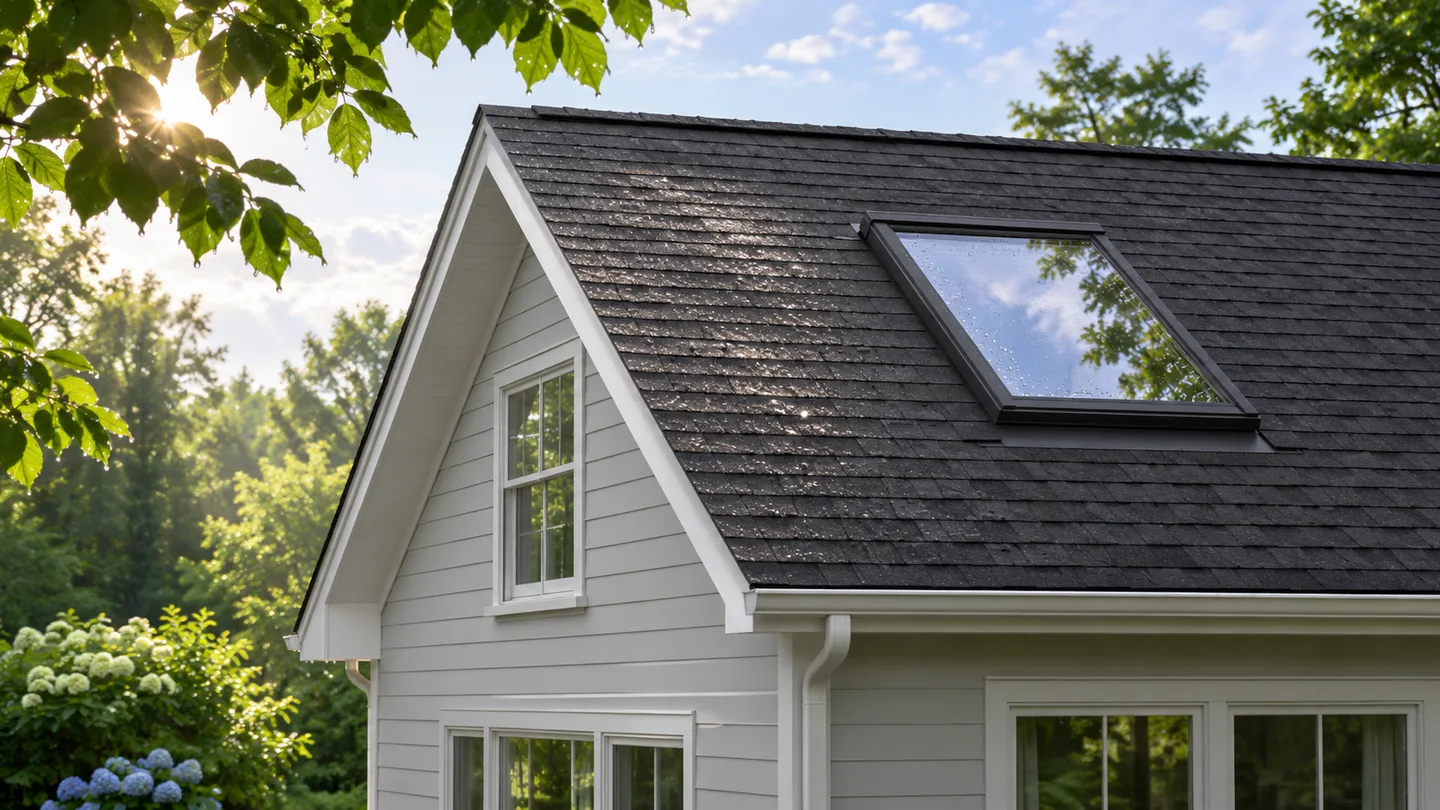
Skylights are openings or daylighting components, not roof coverings. Fixed products do not ventilate; glazing, orientation, shading, framing and manufacturer-specific flashing need assessment.[6]
Factors to Consider
When selecting a roofing material, consider factors such as climate, budget, architectural style, and maintenance requirements. Each material has its own strengths and considerations, so it’s essential to choose one that aligns with your specific needs.
FAQ Section
1. Which roofing material is the most durable?
There is no universal winner independent of the product, assembly and exposure. Compare deterioration/repair risks, attachment and flashing, care requirements and how the system fits the building. Natural slate can be a durable covering, but its stone grade does not establish the condition or life of every concealed component.[7][4]
2. Are solar shingles worth the investment?
It depends on the proposed product, usable roof area, shading, modeled generation, installed cost, utility/export terms, financing and repair/removal responsibilities. Compare solar shingles with conventional panels using separate installed costs, generation estimates and repair responsibilities. Get a project-specific comparison rather than a guaranteed savings or payback answer.[5]
3. How often should I inspect my roof?
Use product care requirements, known condition, safe observations and symptoms to plan assessment. NRCA suggests twice-yearly checks; that is not a universal requirement to buy two professional visits.[7]
4. Can I install skylights on any roof?
Suitability depends on slope, support, opening/framing, product and manufacturer-specific flashing details. Confirm the actual assembly and responsible trades rather than assuming every roof can accept the same unit.[6]
5. What’s the average lifespan of asphalt shingles?
Actual service life depends on product suitability, installation, exposure and maintenance. Compare the complete assembly rather than treating a category-wide age as a warranty or replacement rule.[7]
Keep each component in its proper role
A covering manages weather, conventional solar equipment generates electricity and a skylight is an opening with its own performance and flashing needs. Compare their interfaces rather than an all-in-one material promise.[6]
- Check support, roof slope and product instructions.
- Clarify thermal and water-management details.
- Assign the separate trades and warranties.
Related information
References
- McElroy Metal: Through-fastened and standing-seam systems
- EPA: Using cool roofs to reduce heat islands
- Eagle Roofing: Concrete tile FAQs
- SRCA: Natural quarried roofing slate guidelines
- U.S. DOE: Should I replace my rooftop solar system?
- U.S. DOE: Windows, doors and skylight performance
- NRCA: Roofing FAQs and proposal checklist
General homeowner information, not a property-specific assessment. Requirements and product instructions vary. Leave roof access, diagnosis and hazardous work to qualified professionals.