On this pageShow contentsHide contents
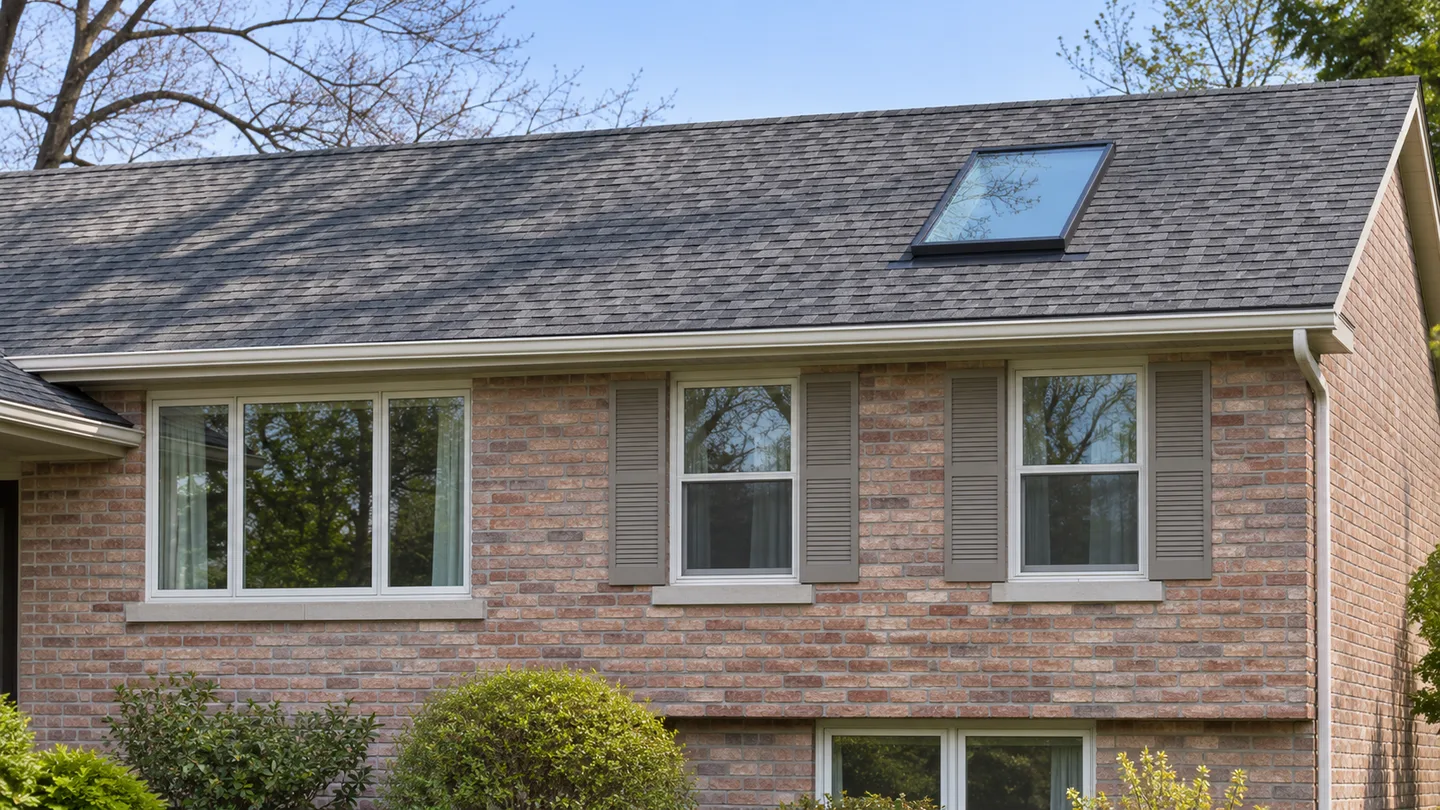
Daylight can be a good reason to consider a skylight. Assess the room, glare, glazing, roof opening and maintenance before treating it as an energy upgrade or a health benefit.
1. Aesthetic Brilliance
Skylights add a touch of architectural elegance to your home’s interior and exterior. They allow natural light to filter into your living spaces, creating a warm and inviting atmosphere. Whether you have a modern or traditional home, skylights can complement your design aesthetic.
2. Energy Efficiency
A skylight adds daylight but also changes heat flow through the enclosure. Compare glazing, orientation, shading and the room's lighting needs. Reduced use of artificial light does not by itself establish lower total heating/cooling/lighting bills.[1]
3. Mood Enhancement
Daylight can change a room’s appearance and comfort. Consider where light is useful, where glare may occur and how it changes through the day without treating a skylight as a medical intervention.
4. Lighting and thermal trade-offs
Use U-factor for heat-transfer comparison, SHGC for solar heat gain and visible transmittance for daylight. Annual effects depend on the room, climate, placement and shading. A fixed skylight does not provide an opening for ventilation; an operable product is a different choice.[1][2]
5. Privacy and Views
Skylights provide an excellent solution for introducing natural light into spaces where windows might not be feasible, such as bathrooms or hallways. You can enjoy the benefits of natural light without compromising your privacy.
6. Daylight, glare and room comfort
Review daylight, glare, privacy and comfort without treating the opening as a medical intervention. Product selection should answer the room's practical needs and the actual roof/glazing requirements.
7. Customization Options
Skylights come in various shapes, sizes, and styles to suit your preferences and the architectural design of your home. From fixed skylights to ventilating skylights that can be opened for fresh air, you have plenty of options to choose from.
8. Professional Installation Matters
Specify the opening, structural requirements, roof slope, glazing and manufacturer-specific flashing. A qualified installation scope should explain the interfaces and the responsible trades.[1]
9. Maintenance and Care
Follow the actual product’s maintenance instructions and arrange safe access where needed. Record leakage, condensation or operating concerns rather than assuming a general roofer provides every skylight service.
10. Define the room and project goal
Identify the room's goal and compare actual products, the opening/flashing scope and future access. For a project request, mention whether the skylight is new or existing and what problem or change you are considering.
References
General homeowner information, not a property-specific assessment. Requirements and product instructions vary. Leave roof access, diagnosis and hazardous work to qualified professionals.