On this pageShow contentsHide contents
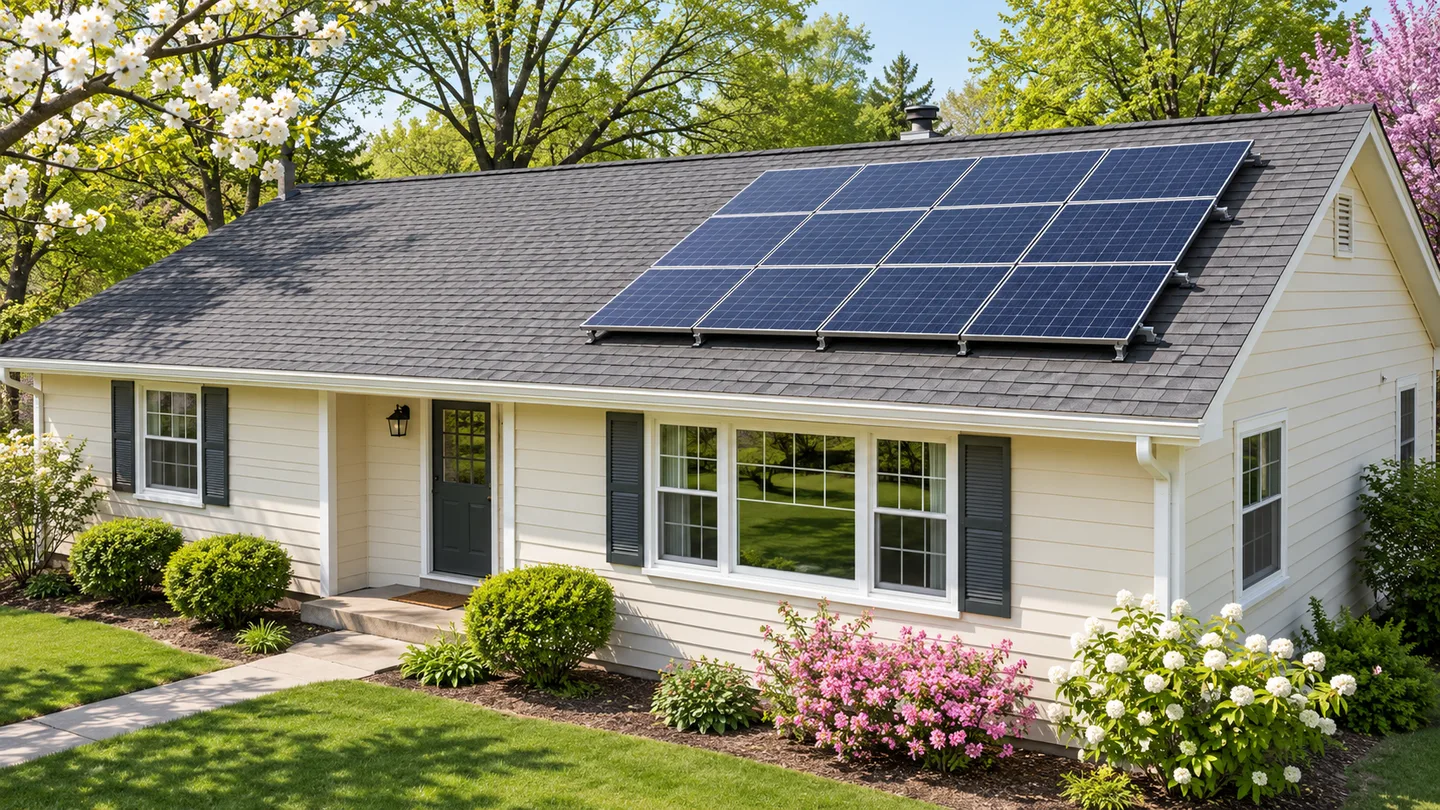
Roofing and solar equipment need a coordinated plan. Check roof condition, structural suitability, attachment, shading and electrical responsibility, then agree who handles removal, reinstallation and the separate warranties.
1. Roof Condition Matters
Check roof condition and structural suitability before committing to equipment. Compare the proposed roof work, attachment method and expected need for access so future reroofing does not come as a surprise. DOE notes that panels and mounting equipment need removal for roof replacement.[1]
2. Proper Orientation
Shading, orientation and the actual system design affect solar generation. Obtain site-specific assessment rather than assuming a roofing provider has performed a solar-layout study.
3. Roof Shading
Have shading and usable roof area evaluated in the actual solar design. Nearby trees, structures and seasonal exposure can affect production. Tree clearance is a separate task for appropriate professionals, not permission to remove obstacles or prune from the roof.
4. Roof Material and Solar Panel Compatibility
Attachment and flashing must suit the actual covering and assembly. Ask the roof and solar professionals to identify the products, penetrations and compatibility requirements, not simply rank two materials as universally best.
5. Roof Maintenance
Keep roof, equipment and repair records together and follow the actual product care requirements. Coordinate future roof access and removal/reinstallation responsibilities; a clean surface does not ensure the life of either the roof or solar equipment.[1]
6. Professional Installation
Agree who handles roofing, structural, electrical and equipment work. Read the separate warranties and responsibility for removal or reinstallation; coordination is a project requirement, not an unverified service claim.
7. Energy Efficiency
Evaluate the proposed generation, equipment/installation cost, utility terms and the building's needs. Roof waterproofing, air sealing and insulation are separate functions. A solar installation does not establish a fixed bill reduction, payback or improvement to the roof beneath it.[1]
8. Return on Investment
Evaluate roof condition, generation estimates, utility terms, equipment and installation cost, maintenance and any applicable financing separately. Only include a current incentive after verifying the actual program and eligibility; a resale or payback result is not guaranteed.
9. Environmental Impact
Define the intended energy goal and compare site-specific generation and the full equipment lifecycle. Roof and solar compatibility, maintenance and separate warranties still need to be addressed.[1]
Coordinate roof and solar responsibilities
Agree who assesses roof condition, designs attachments and handles electrical work. DOE explains that panels and mounting equipment need removal for roof replacement; plan that responsibility before the project begins.[1]
- Compare roof and equipment life without assuming either.
- Clarify removal and reinstallation scope.
- Read the separate roofing and solar warranty conditions.
References
General homeowner information, not a property-specific assessment. Requirements and product instructions vary. Leave roof access, diagnosis and hazardous work to qualified professionals.